It’s summer and you don’t want to just veg out. As a former classroom teacher, I know what the start of school looks like in the autumn when kids have had a true summer break. We spend at least the first month of the school year just trying to relearn everything from the previous grade. If you don’t want that notorious “summer slide” to happen, scheduling some summer learning activities for your elementary student is critical. I meant to pack all of my favourite summer learning activities into one blog post, but it got to be too long. So this blog post is all of my tips and tricks for increasing summer reading time for homeschoolers.
Make it a Literary Summer
Perhaps the most foundational and crucial skill for a child’s academic success – not to mention their lifelong pleasure – is reading. When it comes to summer, there should probably be more books being read now than during the school year since you have so much more unscheduled time. Depending on your child’s abilities, that could mean incorporating a lot more:
- family read-alouds
- kids reading aloud to you
- kids reading silently and summarising for you (a.k.a. “narration” in Charlotte Mason circles)
- a combination of all of the above
So how do you take advantage of your summer schedule to incorporate more reading time with your elementary child? Here are my top tips for increasing summer reading for homeschoolers and turning your quest for summer learning activities into a fun bookish summer.
- Themed Books & Outings
- Regular Library Visits
- Summer Shakespeare
- Creative Read-Aloud Routines
- Audiobooks
- Reading Challenges
Themed Books & Outings
Now is the time to really lean into the fun reading. Start longer stories that just seemed like too much during the school year. Depending on your summer plans, you could go theme. For example, plan on reading Treasure Island or the original Little Mermaid together before a beach holiday. Try planning a nature outing and picnic after reading Wind in the Willows, or better yet, sit outside and picnic WHILE reading it aloud. There are so many ways to get creative with this. Deep dive into your child’s interests and follow their curiosity. The school year doesn’t always allow time for this so take advantage of the summer to make reading more fun for your elementary student.

Regular Library Visits
Make going to the library a regular part of your routine if it’s not already. Get your child his or her own library card and help them find good books to bring home and read together. It’s summer, so if they want to read “easy” books, comic books, or those formulaic paperback series that remind you of The Baby-Sitter’s Club, don’t fight it. If you want your child to fall in love with reading – and reap all the academic benefits of that love – then let them read the easy stuff too. Just don’t let that be ALL they read this summer. And don’t forget, if you are facing a blank calendar for the summer months and have a low budget (beach holiday – what is that?), then the library can be a wonderful option. They also usually have free events that your child might like.
Summer Shakespeare
Summer is also a great time to introduce your child to Shakespeare now that you have a lighter schedule. Whether you truly enjoy Shakespeare yourself and want to pass along that love or you’re simply a Tiger Mom thinking way ahead to AP English, summer is a great time to focus on the bard. In fact “Summer Shakespeare” is actually a thing. You might be able to find his plays being performed in your city during the summer.
And kids are never too young to be introduced to Shakespeare, even elementary students. In fact, one of the perks of introducing children to Shakespeare is their incredible powers of memory. Take advantage of their superpower and start teaching them some of your favourite selections. If you want suggestions for how to do this and which speeches are great for kids to learn, check out How to Teach Your Children Shakespeare by Ken Ludwig. If Shakespeare is not your area of expertise but you still want to introduce his stories to your kids (and maybe yourself?) check out E. Nesbit’s famous book Beautiful Stories from Shakespeare for summaries of his plays.
Creative Read-Aloud Routines
Summer is the perfect time to mix things up with a new routine. Try staggering your meal times and spend breakfast and lunch time reading aloud as your kids eat (mine love this). Or start the bedtime routine earlier and plan on spending more time cuddling in bed and reading aloud their favourite storybooks. For my kids, this usually looks like them playing quietly in their room (or even sketching) while I lounge on their bed and read aloud. Kids usually have to keep moving and it doesn’t mean they aren’t listening. And don’t forget bath time. This can be a nice relaxing time for both you and your kiddo. My kids love to play in the bath and they’re a captive audience.
Audiobooks
If you’ve got a lot of driving to do this summer, whether it’s a full-on road trip or just driving around town, don’t forget audiobooks. There are so many great children’s books on audio, whether you’re old school and your car still has a CD player or you’re using Audible, this is a great way to pack more books into your summer and build those listening comprehension skills. And don’t forget the library. Most libraries I’ve been to have a huge collection of audiobooks on CDs still.
Reading Challenges
And my last tip for boosting summer reading for homeschoolers is to make up a summer reading challenge with your independent reader – either a certain number of books read or a certain amount of time every day spent reading. I prefer the latter as it helps establish good habits. And if they reach their goals, maybe think book money (gift card to Barnes & Noble?) as a reward! Get creative, but do set goals for the summer. If you want your child to love reading and have a literary summer, these kinds of things don’t generally just happen on their own. They take forethought, intention and creativity.
If you’re feeling stuck for ideas, here are my three favourite books to revisit when I need inspiration and motivation to read aloud (yes, as much as I love reading myself!).
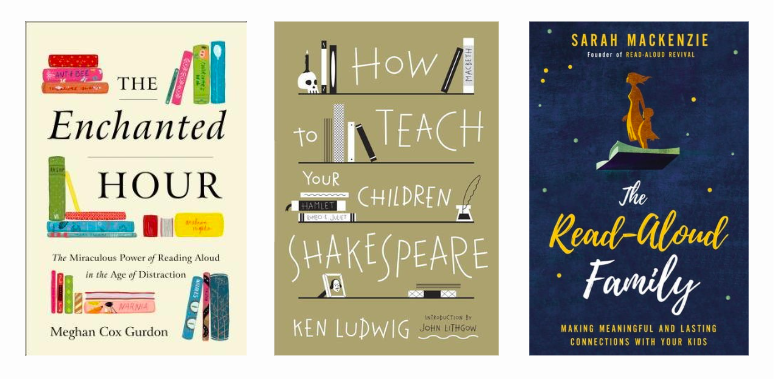
The Enchanted Hour by Meghan Cox Gurdon was a lovely book about the fun times to be had and the true benefits of reading aloud to your children, backed by science. If you’re looking for motivation to up your reading game, this is the book. Ken Ludwig’s How to Teach Your Children Shakespeare does a good job arguing for the importance of reading Shakespeare, even for children. He also shares select passages for children to memorise and gives helpful advice for memorising them. The Read-Aloud Family by Sarah Mackenzie includes book lists geared for reading aloud to children as well as advice on HOW to choose books that are good for specifically reading aloud (as opposed to reading to one’s self).
What are your best summer reading tips for fellow homeschoolers? And what about favourite elementary-level read-alouds your family has enjoyed?


Leave a Reply